How to Travel on a Budget: The Complete Guide
Most guides on how to travel on a budget hand you a list of tips and stop there: book early, pack light, eat cheap. Those tips are fine, but they don't tell you how a budget trip actually works day to day. This guide does. It walks through every decision in the order you will face it, from setting your number to the last meal of the trip.
It also leans on something I have learned the hard way: the cheapest way to travel is very often the best way to see a place. Walking instead of riding in taxis, eating where locals eat, and sleeping somewhere simple with breakfast included all cost less and give you more of the country you came for.
The budget traveler's rules in one minute
If you only read this section, you will already be ahead of most travelers.
- Start from your budget, then choose the destination. Not the other way around.
- Check the visa before you check the flight price. A cheap flight to a hard-visa country is not a cheap trip.
- Pick a simple hotel with breakfast included, and eat a proper breakfast.
- Walk as much as you safely can. It is free, and it is how you actually meet a place. Use the metro and buses when the distance or the day calls for it.
- Eat local and street food, choosing stalls carefully so you stay healthy.
- Skip international chains and tourist restaurants. Keep at most one fine dining meal per trip, or per two trips, and drop it entirely on a pure budget trip.
- If food at home is cheaper than where you are going, bring some, within the rules of the country you are entering.
- Take the bus between cities instead of flying when you can. It costs less and shows you the country.
- Track spending daily. A small leak on day two is a big hole by day ten.
The rest of this guide explains how to do each of these properly.
Step 1: Start with the number, not the place
The usual order is backwards: pick a destination, then work out whether you can afford it. Flip it. Take your actual travel budget, whatever it is, and find out where that number gets you before you fall in love with a city.
A trip you can fully afford beats a trip you are stretching for, every time. Stretching is where budget travel goes wrong: skipped meals, unsafe lodging shortcuts, and running out of money on day four of a ten-day trip.
Here is a simple way to set the number:
- Decide the total you are willing to spend, door to door, including the flight home.
- Subtract the fixed costs first: flights, visa fees, and any pre-booked lodging.
- Divide what is left by the number of days. That is your daily spending money for food, local transport, activities and small extras.
- Hold back about 10 percent as a buffer for the things nobody plans for: a missed bus, a pharmacy visit, a SIM card, a souvenir you actually want.
If the daily number looks too thin, you have three levers: a shorter trip, a cheaper destination, or a cheaper month. All three work better than eating one meal a day.
You can skip the guesswork entirely. Enter your budget and origin and Locovise shows the real, currently priced list of destinations your money covers, with flights, visa fees and on-the-ground costs already included.
Step 2: Check the visa before you fall in love with a destination
This is the single most overlooked factor in budget planning. Your passport decides how easy a trip is, and it decides the cost.
- Visa-free: book and go.
- Visa on arrival: book and go, but carry cash in the right currency and keep a printed return ticket.
- eVisa: apply online, usually quickly, for a fee.
- Embassy visa: appointments, paperwork, processing time, sometimes weeks, and no guarantee. Do not book non-refundable flights until it is approved.
A generic "top 10 cheap destinations" list rarely accounts for your passport. That is the gap Locovise was built to close. If you hold a South Asian passport, these guides sort destinations by what you can actually enter:
- Pakistani passport, under ₨2 lakh
- Pakistani passport, visa on arrival countries by cost
- Indian passport, under ₹1 lakh
- Bangladeshi passport, under ৳1.5 lakh
- Sri Lankan passport, under LKR 3 lakh
- Nepali passport, under NPR 1.5 lakh
Step 3: Know where the money actually goes
For most international budget trips, spending falls into five buckets. The shares below are a rough rule of thumb, not exact figures, because they shift with distance and destination. A far-away trip is flight-heavy. A close one is lodging-heavy.
| Bucket | Typical share | Where you can cut | Where cutting backfires |
|---|---|---|---|
| Flights | Often the largest, commonly a third to a half on a long trip | Flexible dates, nearby airports, mid-week flying | Booking a nonsense route that costs you a day and a night of hotel |
| Visa and entry costs | Small to meaningful | Choosing visa-free or eVisa countries | Using unofficial visa sites that overcharge |
| Lodging | A large, controllable share | Simple hotels, guesthouses, hostels, longer stays | Staying far outside the center and paying it back in transport |
| Food | Controllable | Street food, local spots, breakfast included | Skipping meals and getting sick or exhausted |
| Local transport and activities | Smallest, easy to underestimate | Walking, public transport, free sights | Over-optimizing to the point of missing the one thing you came for |
Knowing this tells you where cutting actually helps. Skipping one nice dinner saves a little. Choosing a closer destination, a different month, or a smarter hotel location saves much more.
Step 4: Flights, the biggest lever you have
Flights are usually the biggest single line in the budget, and also the one with the most room to move.
Be flexible by a few days. Prices can swing a lot between adjacent days. If your dates can move, compare a full week on the flight search rather than testing one date.
Try mid-week. Flights on quieter days are often cheaper than Friday and Sunday departures, though it varies by route, so check rather than assume.
Compare nearby airports. A second airport within a few hours can be cheaper even after the transfer.
Look at the whole trip, not the ticket. A very cheap flight that lands at 3 a.m. forces a taxi and a night's lodging you did not plan for. A slightly dearer flight that lands at midday can be the cheaper trip.
Check the baggage rules before you book. A fare that looks cheap can double once you add a checked bag. Packing light is a real budget strategy (more on that below).
Book once you see a price that fits. Waiting for a "perfect" fare is a gamble. If the price works inside your budget, take it.
You can compare flights across dates and destinations here before you commit to anything.
Step 5: Take cheaper hotels, and make sure breakfast is included
Traveling on a budget means taking cheaper hotels. That is not a downgrade in the way people fear, it is where a big share of your savings come from. You are going to spend most of your waking hours outside the room anyway. You need a clean bed, a lock on the door, a decent shower, and a good location. Everything beyond that is paid for with money you could spend on the trip itself.
Why breakfast included is the budget traveler's secret
When you compare cheap hotels, put breakfast included at the top of your filter list. Here is why it matters more than almost any other feature:
- It is a free meal, built into the price. A room with breakfast is often cheaper than the same room plus a separate breakfast.
- You can eat a lot of it. A big breakfast is the best way to cut the cost of the rest of the day.
- It lets you delay or skip lunch. If you start the day properly fed, you can push lunch to mid-afternoon or skip it and eat a light snack instead. Over a week, that is a meaningful saving, and over a two-week trip it adds up to a night or two of lodging.
The point is to eat enough. Do not nibble at the buffet. Eat protein and something filling: eggs, bread, rice, fruit, yogurt, whatever the hotel offers, and drink water or tea with it. You are loading fuel for a day of walking. Then go out, explore, and eat your next real meal when you are properly hungry, at a local spot rather than a tourist cafe.
If you cannot get breakfast included, look for a guesthouse near a morning market or a local breakfast street. The effect is the same: one cheap, filling meal that carries you through the morning.
How to choose a cheap hotel without regretting it
Use this checklist before you book:
- Location first. Stay near the area you will spend your time in, ideally within walking distance of the main sights, a market and public transport. A cheaper room far away costs you money and hours in transport.
- Read recent reviews, not just the score. Look at the last few months. Filter for cleanliness, noise and safety.
- Look at photos from guests, not only the hotel. Guest photos show the real room.
- Check what is included: breakfast, Wi-Fi, a fan or air conditioning, hot water, a lock on the door.
- Prefer free cancellation. Plans change. A refundable room protects your budget.
- Book at least the first night or two ahead, especially if you arrive late. Leave the rest flexible if the trip is long, so you can move if a place disappoints.
- Ask about luggage storage. A free bag drop on checkout day lets you keep exploring without paying for a locker.
Do your safety homework, especially for hostels and cheap lodging
Cheap lodging is where research pays off most. A low price tells you nothing about the street the building sits on, and a listing only shows you what the owner wants you to see. Before you book a hostel or a budget guesthouse, spend twenty minutes learning about the area, ideally from someone who actually lives there.
Here is why this matters. When you arrive in a country you do not know, you cannot tell which lane is a lively local neighborhood and which one is best avoided after dark. A narrow street or a rundown-looking block can be perfectly fine, or it can be somewhere you should not be walking alone. This is true anywhere, from a small town to a huge, busy country like India. You will not feel the difference from a map. A local can.
How to get that local view:
- Ask on Reddit. Most countries and big cities have an active travel or city community. Search it first, since your question has probably been answered, then post the exact hostel or neighborhood name and ask if it is a sensible place to stay.
- Ask on Quora or travel forums. Look for answers from people who live in or regularly visit that city, and read several rather than trusting one.
- Read the most recent reviews carefully. Look for repeated comments about safety, theft, noise, and how the area feels at night. One bad review is noise, five is a pattern.
- Check the neighborhood, not just the building. Look at the street on a map and in street view. See what is nearby, how far it is from main roads, and how you would get there after dark.
- Ask the hostel directly. Message them before you book. Ask how to reach them safely at night, whether there are lockers, and whether the entrance is staffed. A good host answers quickly and honestly.
- Ask your local contacts, if you know anyone, or the first person you meet at your hotel or hostel about which areas to avoid.
- Take the arrival seriously. Plan how you will get from the airport or station to the door, especially at night. Save the address offline, and do not wander looking for it with your phone out.
A few more habits that help once you are there:
- Use the lockers and keep your passport, cards and cash secured.
- Tell someone your plans, such as a friend back home or your hostel front desk.
- Trust your gut. If a place feels wrong when you arrive, you can leave. This is exactly why free cancellation and flexible bookings are worth having.
- Keep your first night flexible when you can, so you can change if the reality does not match the listing.
Spending a little time on research costs nothing and can save you from a bad night, a lost bag, or something far worse. A local's advice beats a star rating every time.
Cheap places to stay, compared
| Type | Best for | Watch out for |
|---|---|---|
| Budget hotel or guesthouse with breakfast | Most travelers, couples, anyone who wants a private room and a free meal | Check cleanliness in recent reviews |
| Hostel (dorm or private room) | Solo travelers, meeting people, the lowest nightly price | Noise, shared bathrooms, lockers |
| Apartment or room with a kitchen | Longer stays, families, travelers cooking some meals | Cleaning fees on short stays |
| Homestay or family-run guesthouse | Culture, local advice, home-cooked breakfast | Fewer reviews, house rules |
When you are ready to compare, search budget hotels across booking sites and filter for breakfast included and free cancellation.
Hotel links compare many booking sites for the dates you choose. Locovise may earn a commission if you book through them, at no extra cost to you.
Step 6: Walk more, ride less
This is the habit that has changed how I travel more than any other.
In my experience, the more I walk between places, the more I save and the more of the culture I actually see. A taxi gets you from A to B, but you spend most of your time in a cab looking at the back of a seat, and you arrive having experienced nothing of the stretch in between. Walking, you pass the bakery that smells incredible, the old man selling tea from a cart, the tiny shrine on the corner, the school letting out, the shop with a language you have never seen. That in-between stretch is where a place feels like a place.
Walking also costs nothing. Taxi fares over a trip can quietly become one of the biggest local expenses, and most of that money buys you very little.
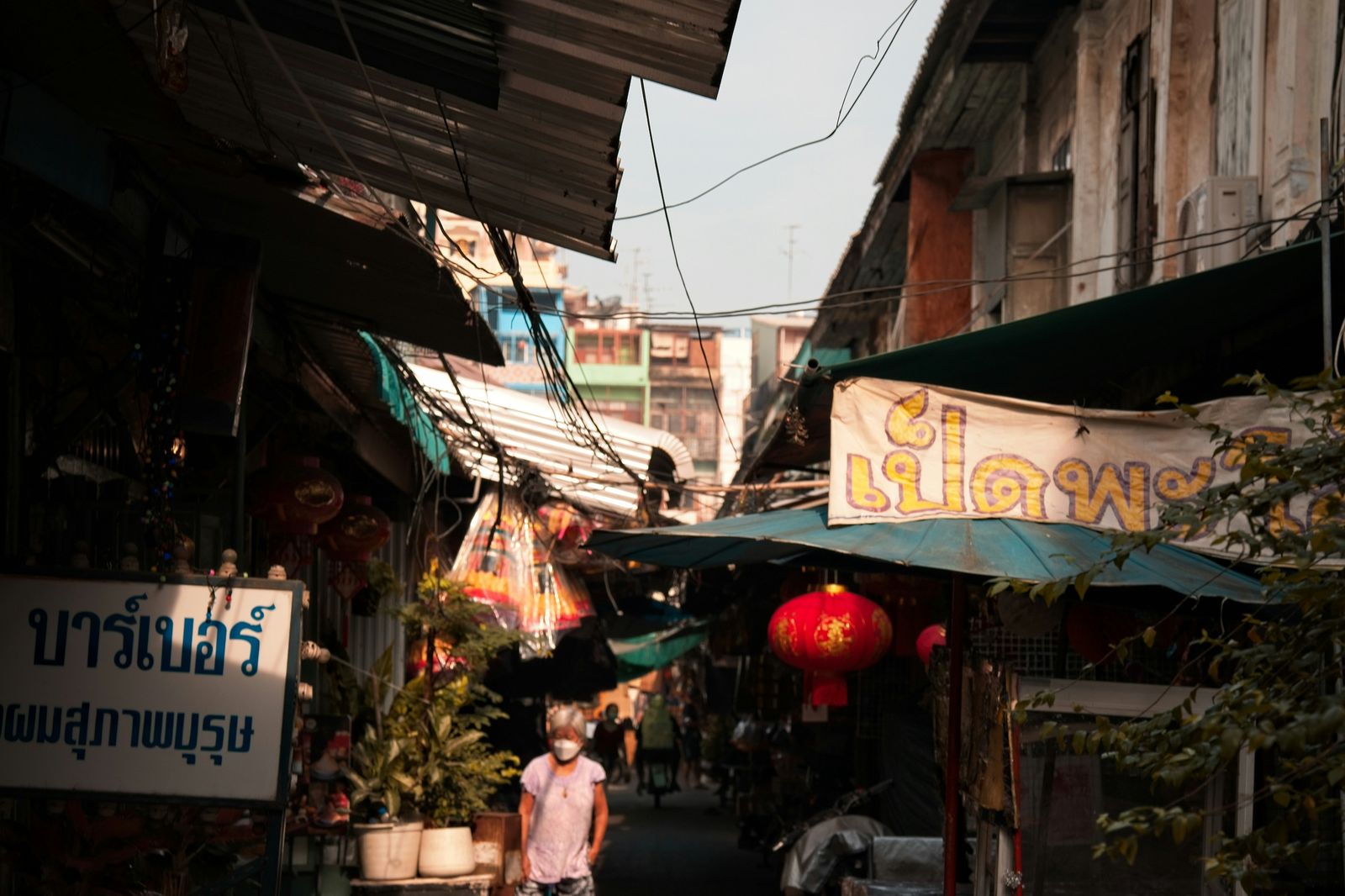 Photo: Julian Zwengel on Unsplash
What walking gives you
- Savings. Every ride you replace with a walk is money kept.
- Culture. You see daily life, not just landmarks.
- Food discoveries. The best cheap meals are often on side streets you would never see from a car.
- A sense of the city. You learn how neighborhoods connect, which makes you less dependent on apps.
- Fitness and energy. A day of walking and a good breakfast makes you sleep well.
- Better photos and better stories. Almost everything memorable on a trip happens on foot.
How to make walking work
- Choose a hotel in a walkable area. This is why location came first in the hotel checklist.
- Cluster your sightseeing by neighborhood. Plan one area per half day rather than zigzagging across the city. Look at a map and group places that sit close together.
- Wear shoes you have already broken in. Blisters on day one cost more than a taxi.
- Download offline maps before you leave the hotel, so you can navigate without data.
- Walk in daylight when you can. In the evening, stick to busy, well-lit streets.
- Carry water and a hat in hot places, and take shade and tea breaks. Walking more does not mean walking in the worst heat.
- Cross streets carefully. In some cities, traffic does not stop for pedestrians. Watch what locals do and cross with them.
- Do not flash your phone or wallet while walking. Keep valuables in a front pocket or a zipped bag.
What this looked like on our trip through Turkey
We put all of this into practice in Turkey, and it worked. We cut costs by taking the metro and buses wherever we needed them, and by walking to other places even when they were 30 minutes apart. That 30-minute walk is the thing I would tell anyone to try. It is where the trip turned into memories: we had fun, we saw the streets properly, and we felt far more immersed in the city and the country than we would have from the back of a cab. That was especially true in Istanbul.
Cappadocia was a different kind of fun. It is a mountainous region, so walking and exploring on foot felt natural. We wandered into small shops, got talking with locals, and spent our time on the ground instead of being driven between viewpoints.
Then there were Ankara and Konya, and this part matters just as much. Both cities felt quieter, with fewer places to visit, and walking simply was not as enjoyable there. The streets did not reward it the way Istanbul's did. So we did not force it. We used transport more in those two cities and saved our walking energy for the places where it paid off.
The lesson is that it varies. Walking is a default, not a rule. Some cities are made for it and some are not. Pay attention to how a place feels in the first hour, and adjust. If the streets are quiet, the sights are spread out and there is little to see between them, take the bus and save your legs for somewhere better.
Read the room: people and places differ
Another thing I learned is that people are not the same everywhere. In some places, strangers were happy to talk and welcoming to visitors. In another country, locals may be more reserved, busy, or simply not interested in meeting travelers, and that is not personal. Different cultures have different norms about how openly they greet outsiders.
So do a bit of checking before you go, and stay alert once you are there. Read about the local customs, ask on Reddit or travel forums how visitors are generally treated, and notice how people react to you. If something feels off, trust that feeling, change your plan and move on. You do not have to force friendliness, and you should never ignore your instincts to stay on a "budget" route.
When a ride is the right call
I am not saying never take transport. Use it when it is genuinely the smarter option:
- Airport and heavy luggage, especially late at night.
- Long distances where the walk would eat the whole day.
- Midday heat or heavy rain in extreme weather.
- Late at night in areas you do not know, where safety matters more than savings.
- When you are ill or exhausted. Spend the money and rest.
The cheap transport ladder
When you do need to ride, go down this list from cheapest to dearest:
- Walk.
- Local bus, tram or metro. Often a fraction of a taxi fare, and a window into daily life. Learn how to pay, because some systems use cards or exact change.
- Shared transport: minibuses, shared auto-rickshaws or similar, where they are common and safe.
- Ride-hailing apps, where available. Prices are shown upfront, which avoids haggling.
- Metered taxi. Insist on the meter, or agree the fare before you get in.
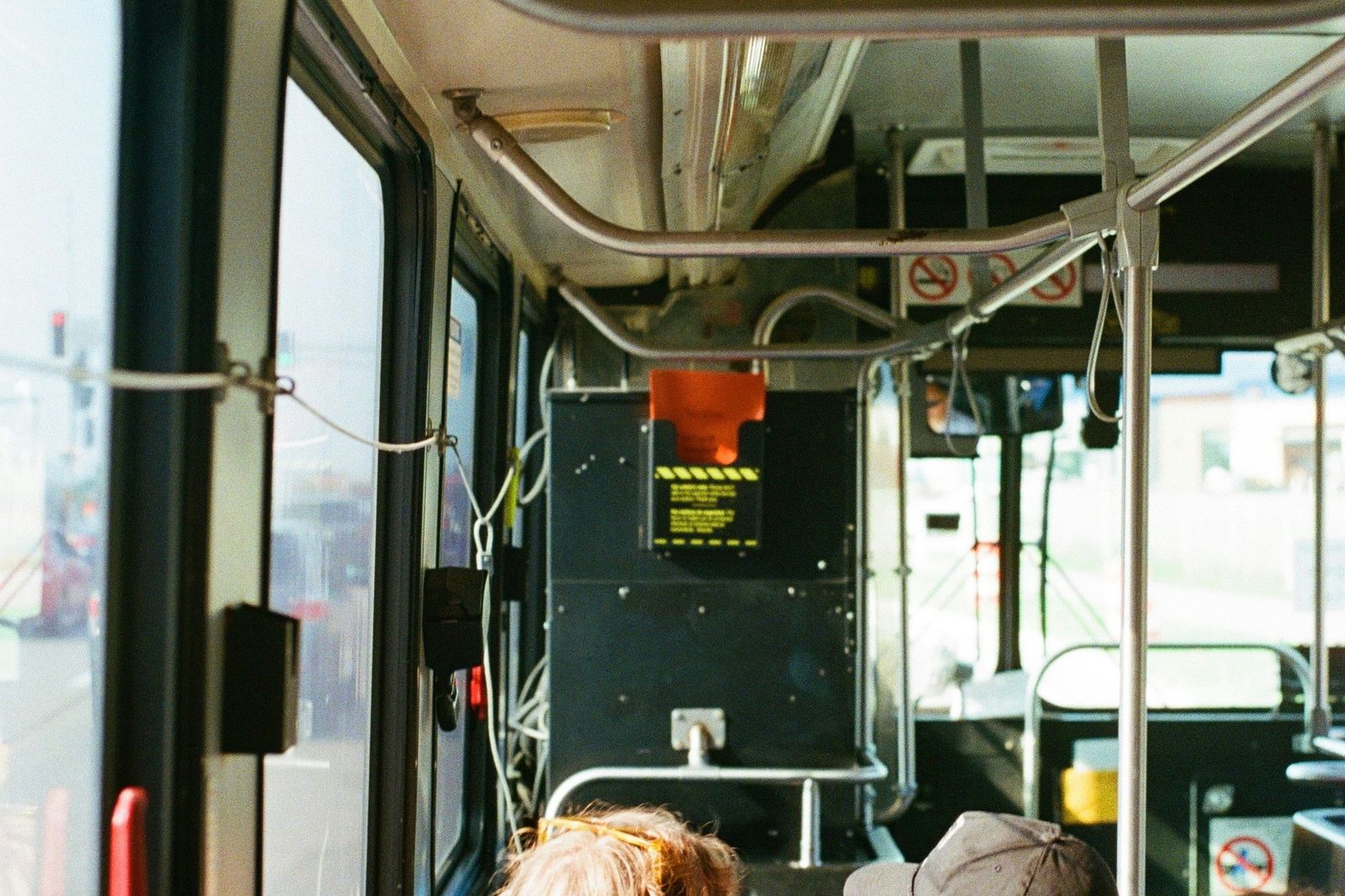 Photo: Jacob Martin on Unsplash
Between cities, take the bus
For getting from one city to another, I strongly prefer the bus, and it is also one of the best budget moves you can make. Intercity buses are usually much cheaper than flights, they often run on frequent schedules, and they take you through the countryside, which you miss entirely at 35,000 feet. Bus journeys are entertaining in their own right: you watch the landscape change, stop at roadside rest areas, eat what locals eat on the road, and meet people.
For me, a plane is often unnecessary and does not give you the feel of traveling that a bus does. You skip the whole middle of the country and arrive without having experienced the distance.
Some practical points:
- Compare the real cost. A flight looks quick, but add the airport transfer, baggage fees and waiting time, and a bus is often competitive on time as well as price.
- Take an overnight bus when it makes sense. You save a night of lodging, though only if you can sleep on the road.
- Book with reputable operators. Read recent reviews and, in many countries, buy through the official terminal or a trusted app.
- Bring snacks, water, a light jacket and a charger. Air conditioning can be strong and rest stops are not always cheap.
- Keep valuables on you, not in the overhead rack or under your seat.
- Know when to fly. Where distances are enormous, roads are poor, or there is simply no sensible bus, a short flight is the right call. The goal is the best trip for your budget, not to avoid planes on principle.
Never assume the first taxi price is the real price. Check the fare in a ride app or ask your hotel what a normal trip costs, so you know when you are being overcharged.
Step 7: Eat local, and keep it hygienic
Food is where budget travel can be the most fun, and where it can go wrong the fastest. The principle is simple: eat what the locals eat, where the locals eat it, and be smart about how you choose.
Skip the familiar international chains and the glossy restaurants aimed at tourists. They cost more, taste the same everywhere, and tell you nothing about where you are. A plate from a street vendor or a small family kitchen costs a fraction as much and is the actual food of the country. This is how you experience the host country rather than a polished copy of home.
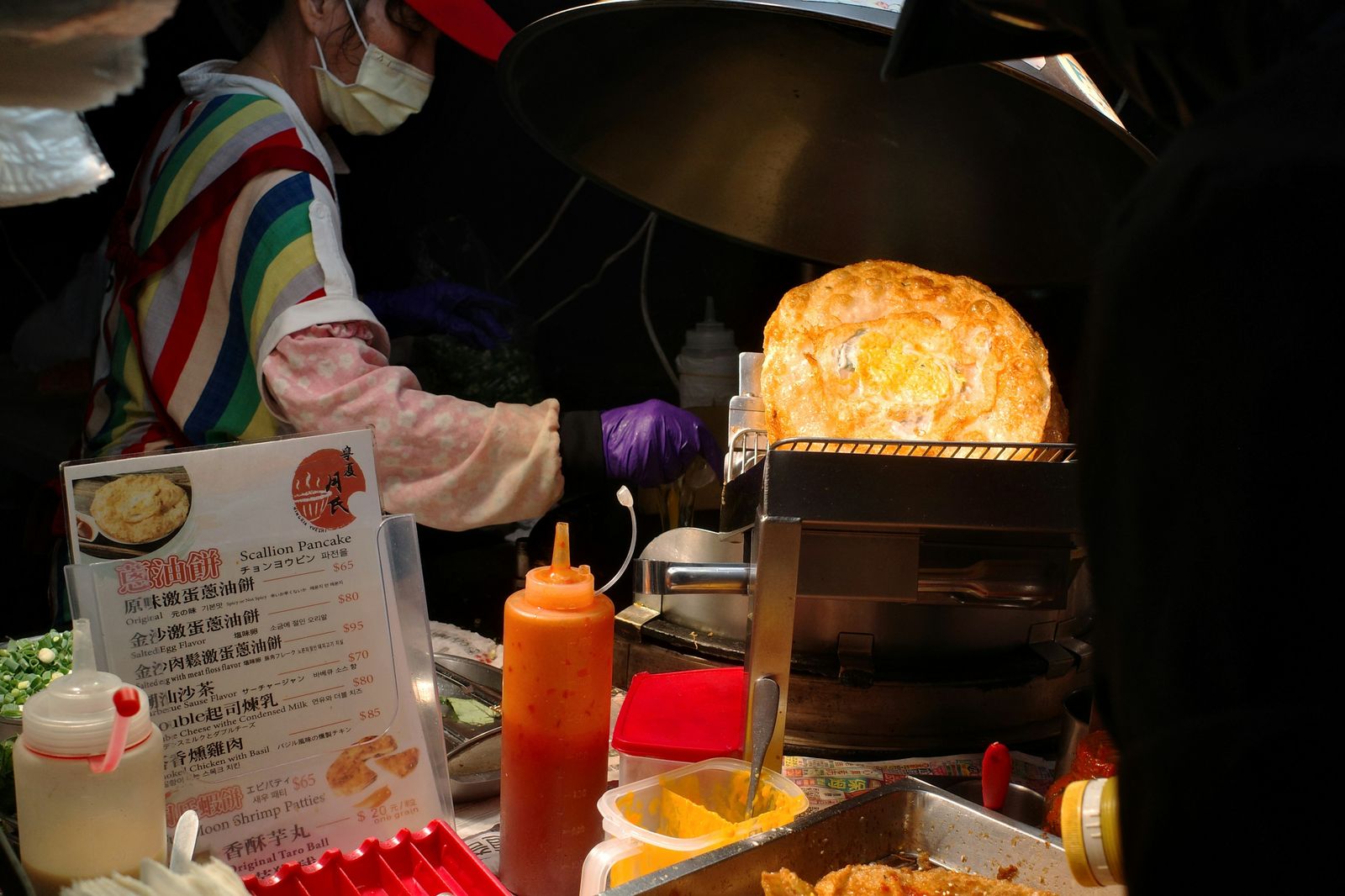 Photo: Claire on Unsplash
How to pick a street food stall that will not make you sick
Street food is safe far more often than people fear, if you choose well. Use these signs:
- Follow the crowd. A queue of locals means high turnover, which means fresh food. An empty stall with food sitting out is the one to skip.
- Watch it being cooked. Food made fresh in front of you and served piping hot is the safest. Heat kills most of what makes travelers ill.
- Look for hot, freshly cooked, covered food. Be cautious with anything that has been sitting out in the sun or among flies.
- Check the vendor's habits. Do they handle money and food with the same hands? Are utensils and plates clean? Is the cooking area tidy? Do they use gloves, tongs or a clean cloth?
- Check the water and ice. Stick to sealed bottled water or water you know is treated. Be wary of ice and drinks made with unknown water.
- Be careful with raw items. Salads, pre-cut fruit that has been sitting, and raw sauces are riskier than hot cooked dishes. Fruit you peel yourself is a good option.
- Look at the oil and the surroundings. Fresh, clean-looking oil and a tidy stall are good signs. Dirty drains and piles of rubbish nearby are not.
- Trust your senses. If something smells off or looks wrong, walk away. There is always another stall.
- Wash or sanitize your hands before eating. Carry hand sanitizer or wipes. It is one of the simplest ways to avoid a bad stomach.
- Start gently if your stomach is not used to it. Ease into spicy and rich food over the first couple of days.
Getting sick costs far more than any meal. A lost day, a pharmacy visit, a wasted hotel night. The point of these checks is that being careful about hygiene is how you get to eat cheaply and well.
Basics to carry
- Hand sanitizer or wipes
- A small bottle or two of safe drinking water
- Oral rehydration salts and any medicines you normally use
- Tissues, since some places do not provide napkins
If you eat halal or have dietary rules
Do a little homework before you arrive. In many countries, local Muslim-run eateries, halal-certified stalls and vegetarian restaurants are easy to find, and they are often the cheapest and most local places to eat anyway. Ask your hotel or check signs, and confirm ingredients if it matters to you. Saying a simple phrase in the local language, or showing it on your phone, goes a long way.
Where to find the best cheap food
- Local markets and food streets. Often the cheapest and most varied.
- Small family-run restaurants with a short menu and a local crowd.
- Set lunch deals, where the local workforce eats.
- Bakeries and breakfast stalls for cheap, filling starts to the day.
- Ask people. Your guesthouse host, a shopkeeper or a taxi driver (if you do take one) usually knows where the good, cheap food is.
The one-splurge rule
You do not have to eat cheaply forever. If you want one fine dining experience, a single special meal on a trip is a reasonable treat. My rule of thumb is one fine dining meal per trip, or even one every two trips, and no more. It keeps the memory special and the budget intact.
And if you are traveling purely on a budget, skip it altogether. Put that money toward another night of lodging or another day of exploring. Nobody ever came home regretting the meal they did not eat at a fancy restaurant they could have eaten at in their own city.
Eat a big breakfast, then play lunch by ear
Pairing the hotel breakfast with your food plan is the easiest saving in this guide:
- Eat a full breakfast at the hotel, enough that you are properly full.
- Delay lunch, or skip it if you are not hungry. Have a cheap snack, fruit or a street bite instead of a sit-down meal.
- Make dinner the main local meal, at a street stall or small restaurant.
Do not push this too hard. If you are hungry, eat. A tired, hungry traveler makes expensive decisions. The goal is to avoid paying for meals you do not need, not to go hungry.
If food is cheaper at home, bring some
If food costs less in your home country than where you are going, packing some of it can cut your food bill further. Think of it as a small supply of backup meals and snacks:
- Tinned and shelf-stable food: canned fish, beans, ready-to-eat meals, instant noodles, packets of dry snacks
- Dry staples: nuts, dates, biscuits, tea bags, instant coffee, oatmeal, spice mixes
- Light, sealed, commercially packaged items rather than loose or homemade food
This works best for long trips, destinations where eating out is expensive, and travelers with a kettle or kitchen in their lodging.
Some things to check first:
- Customs and biosecurity rules. Many countries restrict or ban meat, dairy, fresh produce and some packaged foods. Check the official rules for your destination before you pack, and declare what you carry if required. Getting fined or having your bag searched is not a saving.
- Weight and baggage fees. Tins are heavy. If packing them pushes you into extra baggage fees, you lose the benefit. Bring a few light, high-value items rather than a suitcase of cans.
- Airline rules for liquids and sealed items in carry-on luggage.
- Local food is often the better deal. If your destination has cheap street food, packed food is just a backup for early mornings, late nights, or days when you are tired.
Used well, a few packed meals mean you never end up paying tourist prices because you were hungry at the wrong time.
Step 8: Free and cheap things to do
You do not need to buy expensive tickets to have a full trip.
- Walk the old town, the markets and the waterfront. Free, and often the highlight.
- Visit places of worship and public squares. Many are free to enter, with modest dress required in some.
- Join a free walking tour where they are offered. They are usually tip-based. Tip fairly and you get a local guide and a good orientation.
- Check museum free days and discounts. Many have free or reduced entry on certain days or hours.
- Go to parks, viewpoints and beaches. Sunrise and sunset cost nothing.
- Hike. Local trails are usually free or cheap and the views are better than most paid attractions.
- Get a haircut abroad, just for the experience. This is not a money-saving tip, and it should not be in your budget plan as one. But it is worth a try. Visit a well-reviewed local barber, show a photo if you like, and consider letting them design the cut however they want. You might end up with a style that looks good on you, and you will definitely come away with a story. Pick a place that looks clean, uses clean tools, and has good recent reviews. Agree the price before you sit down.
- Pick one or two paid highlights, the things you would regret missing, and skip the rest.
- Book tours directly or through trusted platforms rather than from the first desk you see, because markups add up. If you want a guided experience, you can browse tours and activities here.
Step 9: Money, cards and cash
Small money mistakes quietly eat budgets.
- Tell your bank you are traveling, and check international fees on your cards.
- Withdraw larger amounts less often from ATMs, since each withdrawal can carry a fee. Do not carry more cash than you need.
- Avoid airport currency exchanges. Rates are poor. Take only a small amount for arrival and exchange or withdraw in town.
- Choose to pay in the local currency when a card machine offers to convert for you. The conversion offered is usually worse.
- Carry small notes. Street vendors and small shops often cannot break large ones.
- Keep a backup card and some emergency cash stored separately from your main wallet.
- Track spending every evening. A simple note on your phone is enough. It takes two minutes and keeps you honest.
Step 10: Stay connected without paying roaming rates
Roaming can be shockingly expensive. Cheaper options:
- A local SIM or an eSIM for your destination. An eSIM can be set up before you land, so you have data on arrival for maps and ride apps. You can compare an eSIM for your destination here.
- Wi-Fi at your hotel and cafes for everything that is not urgent.
- Offline maps and translation packs, downloaded in advance.
Step 11: Pack light and save on baggage
Carrying less saves money in three ways: lower baggage fees, easier walking, and fewer taxi rides because you can manage your bag on foot or on a bus.
- Take one bag if you can, a carry-on or a backpack.
- Pack clothes that mix and match, and wash a few things on the road.
- Skip things you can buy cheaply at your destination.
- Bring a refillable bottle, a small towel, basic medicines and a power adapter.
Our packing checklist and international travel checklist cover the full list.
What a good budget day looks like
Here is how the pieces fit together on a typical day in a new city.
- Morning: eat a full breakfast at the hotel, fill your water bottle, and check the map.
- Mid-morning: walk to the first sight or neighborhood, taking side streets. Stop for a cheap tea or coffee at a local place.
- Midday: keep exploring on foot. If you are not hungry, grab fruit or a small street snack. If you are, find a busy local stall.
- Afternoon: visit a free or low-cost sight, a market, or a park. Rest in the shade or at a cafe when you need to.
- Evening: have your main meal at a local street stall or family restaurant, chosen with the hygiene checklist above. Walk back if it is safe and not too far, or take a bus or an app ride if you are tired.
- Night: note your spending, plan tomorrow's neighborhood, charge your phone.
Done like this, a day costs a fraction of one spent in cabs and tourist restaurants, and you see far more.
A planning timeline
| When | What to do |
|---|---|
| 8 to 12 weeks out | Set your budget, check visa rules, shortlist destinations, watch flight prices |
| 6 to 8 weeks out | Book flights once you see a fare that fits, start any visa or eVisa application |
| 4 to 6 weeks out | Book a refundable hotel with breakfast, check customs rules if packing food |
| 2 weeks out | Sort cards and cash, download offline maps, set up an eSIM, check weather |
| 1 week out | Pack light, confirm bookings, pack a few shelf-stable snacks if allowed |
| Day before | Charge devices, save documents offline, tell your bank |
| On the trip | Walk, eat local, track spending nightly |
Mistakes that quietly wreck a budget trip
- Choosing the destination first and finding out later it is out of budget.
- Ignoring visa rules until after booking.
- Staying far from the center to save a little on the room, then paying more in transport.
- Taking taxis for everything instead of walking or using public transport.
- Eating at tourist restaurants because you were hungry and did not plan.
- Skipping safety basics like hand hygiene, which leads to sick days.
- Forgetting baggage fees on a cheap flight.
- Not tracking spending until it is too late to adjust.
- Overpacking food and hitting customs trouble or baggage fees.
- Skimping on sleep, water or safety to save a few dollars. Your health is the one thing a budget cannot cover.
Group travel changes the math
Traveling with someone does not just split costs evenly. Flights and visa fees are charged per person with no discount. Lodging works the other way: a double room costs meaningfully less than two single rooms, so group trips save more on accommodation than on anything else. Food and local transport often scale closer to per person. Knowing this avoids a common surprise: assuming a group trip is proportionally cheaper per person when really only part of the budget shrinks.
Budget style or mid-range: pick one on purpose
"Budget travel" does not mean one fixed standard. A budget-style trip means simple hotels or hostels, local food, and public transport or walking. Mid-range steps up the room quality and adds a few paid experiences without going upscale. Neither is wrong. The point is to choose deliberately rather than drift between the two and blow the budget on a mix of both.
Put it into practice
Now you have the whole process. Start with your number, check your passport, pick a walkable hotel with breakfast included, walk more than you ride, eat where the locals eat, and keep one splurge meal at most.
Want a real answer instead of a guess? Enter your budget and origin and see which destinations your money covers, with flights, visas and on-the-ground costs already worked out. Here is one example of what that looks like in practice: Bangkok on a budget from Pakistan.
Flight, hotel, tour and eSIM links go through partner programs. Locovise may earn a commission if you book through them, at no extra cost to you.
FAQ
How much do I actually need for a budget trip? It depends on where you are flying from, where you are going and for how long. Instead of a generic number, check what your specific budget affords for real destinations.
Is budget travel less safe? Not inherently. Budget style means simpler hotels and casual food, not cutting corners on safety. Choose well-reviewed lodging, stay aware, follow the food hygiene steps, and spend money when safety calls for it, such as a taxi at night.
Is street food safe? Often yes, when you choose well. Pick busy stalls with fresh, hot, cooked food, check cleanliness, stick to safe water, and sanitize your hands before eating.
Is walking really cheaper than taxis? Yes, and it is free. It also shows you more of the place. Use transport for airports, long distances, bad weather and late nights.
Should I take the bus or fly between cities? On most routes the bus is cheaper and shows you far more of the country, so it is my default. Fly only when the distance is huge, the journey would eat days, or there is no safe, sensible bus.
Is walking always the best way to see a city? No. It depends on the place. In lively, walkable cities like Istanbul it is wonderful. In quieter cities with spread-out sights, public transport can be the better use of your day.
Should I get a haircut while traveling? It is not a budget saving, but it can be a memorable experience. Choose a clean, well-reviewed barber, agree the price first, and let them try something new if you are feeling adventurous.
Should I get a hotel with breakfast included? For a budget trip, usually yes. A full breakfast can let you delay or skip lunch, which cuts your daily food cost.
Can I bring food from home? Often, yes, if food at home is cheaper. Stick to sealed, shelf-stable, commercially packaged items, and check the destination's customs rules first, because some countries restrict meat, dairy and produce.
How many fine dining meals should I have on a budget trip? At most one per trip, or one every two trips. On a purely budget trip, skip it and spend the money on more days.
What is the biggest budget travel mistake? Picking the destination before checking the visa situation and the real total cost. A cheap flight to a hard-visa country is not a cheap trip once you add the process.
Plan the real thing
Every number above comes from Locovise's own budget engine. Put in your own numbers and get your own list.
See what you can afford right nowPrices, visa costs and requirements are estimates current as of the date above. Always confirm with the airline and the relevant embassy/eVisa portal before booking.